

If you have watched your reach flatten and someone in a group chat offered to trade likes, you have met the world of LinkedIn engagement pods. They looked like a shortcut for years. In 2026 that shortcut turned into a liability, and this article walks through what pods are, why they used to work, what LinkedIn changed, and the honest way to grow that replaces them.
What are LinkedIn engagement pods?

A LinkedIn engagement pod is a group of people who agree to like and comment on each other's posts on a schedule, so every post in the group looks more popular than it really is. Oscar Rodriguez, VP of Trust Product at LinkedIn, described a pod in plain terms as "a set of people, often real members, who coordinate with each other to trade likes and comments and to artificially boost the durability of their content". The members are usually real professionals, not bots, which is part of what made pods feel harmless to the people inside them.
Pods live in places you would expect. Some run inside private LinkedIn groups, many run on Telegram or Slack, and a whole category of browser extensions and auto-comment tools existed to make the trading automatic. They come in a few flavors, and the differences matter for how risky each one is. The most casual are small manual groups where a dozen people agree to support each other's posts by hand, which feels a lot like friends helping friends. The more industrial versions use paid tools that auto-comment on your behalf across dozens of accounts, sometimes for a monthly fee, and those are the ones LinkedIn treats most harshly. In every version the flow is the same, which is that you drop your post link into the channel, everyone piles on within the first hour, and the post rides that early burst. The pitch was always the same, that early engagement teaches the algorithm to show your post to more people, so a coordinated head start turns into real reach. That pitch is exactly what LinkedIn set out to break.
Why did engagement pods work before 2026?

Pods worked for years because LinkedIn's ranking leaned heavily on the first hour of engagement, and pods manufactured a perfect first hour. When a post collected fast likes and comments from active accounts, the system read that as a quality signal and pushed the post to a wider slice of the network. A pod gave you that signal on demand, no matter whether the post deserved it.
The mechanic had a name that creators traded like folklore, the golden hour. The idea was that the first sixty to ninety minutes after posting decided a post's fate, because that early window was when LinkedIn tested your content on a small sample and measured the response before deciding how far to spread it. A pod let you win that test every single time, regardless of whether the post was any good. You would publish, drop the link in the channel, and watch fifteen or twenty reactions land inside ten minutes, which was exactly the signal the sampling stage was built to reward. For a while it genuinely moved numbers, and that early success is why the habit spread so fast across LinkedIn.
There was a second reason, and it was social rather than technical. Building a genuine audience is slow, and watching a good post get twelve views is demoralizing. A pod removed that pain instantly, so people stayed even when they suspected the numbers were hollow. The catch is that pod engagement rarely came from people who cared about your topic. A cybersecurity founder would get twenty comments from marketers, recruiters, and life coaches who never read past the first line, which inflated the vanity metrics while doing nothing for the pipeline. If you want the deeper mechanics of how reach is actually calculated today, our breakdown of the LinkedIn algorithm in 2026 covers what the system rewards now, and it is a very different picture from the one that made pods effective.
What changed: how LinkedIn cracked down on pods

Through late 2025 and into 2026 LinkedIn moved from ignoring pods to actively fighting them, and the company said so publicly. Gyanda Sachdeva, VP of Product Management, described the target as automated comments "posted to LinkedIn through a third party auto-script or a browser plugin without any human oversight or review". LinkedIn started pulling those comments out of the "Most Relevant" section, limiting automated comments so they only reach the commenter's direct connections, and restricting accounts that keep posting them.
The reach penalty is the part that matters most for anyone still tempted. Rodriguez put it directly, saying that when LinkedIn believes a post "has been part of an engagement pod, it might impact things like how much we recommend it outside of someone's network and followers". Read that carefully, because it means the exact thing pods were sold to buy, which is reach beyond your own audience, is the first thing LinkedIn takes away when it spots the pattern. The company also went after the plumbing, removing groups used to coordinate pods and taking action against the automation tools that ran them. On top of the reach hit, LinkedIn has sent direct warnings to creators about account restrictions and removal from programs, including being stripped of LinkedIn Top Voices status. For a professional who built real standing on the platform, that is a serious amount to gamble on borrowed likes.
Do engagement pods still work in 2026?

Engagement pods do not reliably work in 2026, and the ways they fail now are worse than simply having no effect. When LinkedIn flags coordinated activity, the associated post loses the outside-network reach that was the entire point, so you can end up with worse distribution than an honest post would have earned on its own. You are paying a cost to buy something the platform now confiscates.
The detection is also not the crude keyword-matching people imagine. Rodriguez said LinkedIn looks for "concentrated activity, the same members at the same times within the same timeframes", which is exactly the fingerprint a pod leaves behind. The same handful of accounts hitting each other's posts in the same tight window, day after day, is a pattern that stands out clearly at LinkedIn's scale. Sachdeva added that the system weighs "indicators like where the post is coming from" to separate genuine activity from scripted activity.
The other half of the problem is that even the pods that dodge detection stopped delivering. LinkedIn has spent the last two years rebalancing reach toward what it calls expert engagement, meaning comments and reactions from people whose own activity signals real knowledge of your topic. A thoughtful comment from someone in your field now carries far more weight than a generic reaction from a stranger, which is the precise opposite of what a pod supplies. So a pod full of mixed-industry members trading "Love this!" replies is optimizing for the one signal LinkedIn has been actively turning down. The honest answer to whether pods still work is that they occasionally still inflate a visible comment count, while quietly costing you the reach and the trust that make LinkedIn worth using in the first place.
What are the real risks of joining a pod?
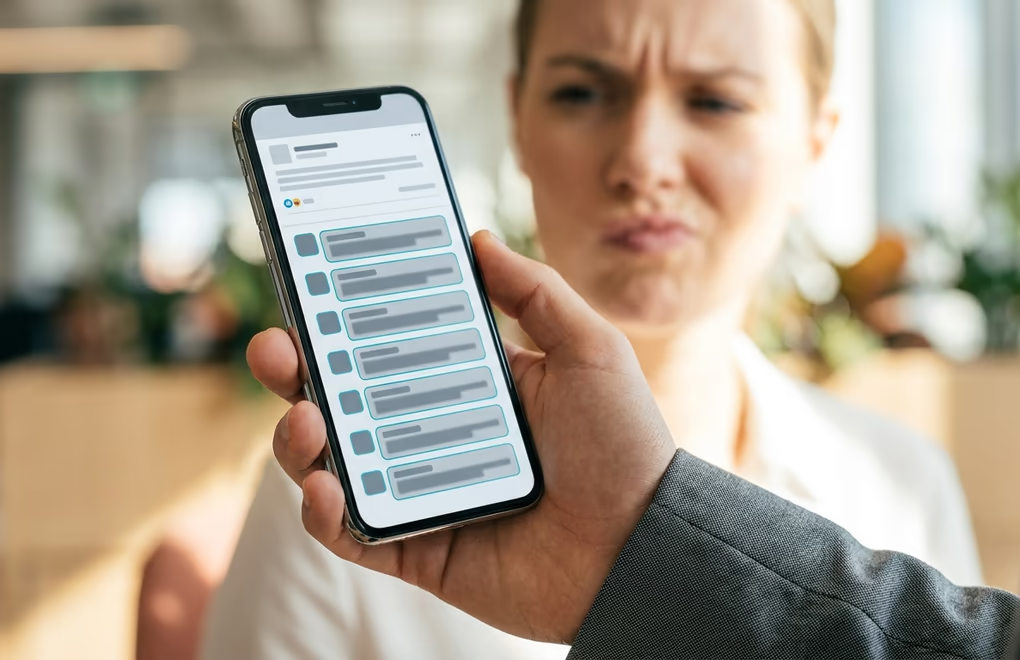
The real risks of joining a LinkedIn engagement pod fall into three buckets, and none of them show up in the tidy comment count you see on the post. The first is reach suppression, which is the quiet penalty where LinkedIn stops recommending your flagged content beyond your existing followers, so the pod actively shrinks the audience it promised to grow.
The second is account and program risk. LinkedIn has warned creators directly about restrictions and removals, and it has tied pod participation to losing standing in programs like Top Voices. If your business depends on your LinkedIn presence, an account restriction is not a minor inconvenience, it is a revenue problem. The third risk is the one people forget, which is that pod engagement is commercially worthless. Twenty comments from strangers who will never buy from you look identical to twenty comments from your ideal customers, right up until you check who actually filled out your form. Real buyers can tell the difference between a post with a genuine conversation underneath it and a post with a wall of "Great share!" replies, and the second kind quietly damages your credibility with the exact people you are trying to reach. Our guide to what LinkedIn impressions actually mean explains why a big number at the top of a post can hide a complete absence of the people who matter.
How do you grow on LinkedIn without engagement pods?

You grow on LinkedIn without pods by earning the early engagement that pods used to fake, and the good news is that the system now rewards this more than it ever did. Rodriguez's own advice to creators worried about the crackdown was blunt, which is to "be authentic" and publish content about genuine expertise. That sounds like a platitude until you break it into the specific habits that produce real first-hour engagement, so here is the practical version.
Start with the post itself, because reach follows quality far more tightly than it used to. A strong opening line still decides whether anyone reads the rest, and writing one that stops the scroll is a learnable skill rather than a gift. LinkedGrow's hook generator gives you tested opening lines for the exact angle you are writing about, which is the single biggest change most people can make to their LinkedIn engagement. Next comes voice, because posts that sound like a real person outperform posts that sound like a press release, and consistency of voice is what turns a casual reader into a follower who engages every time. LinkedGrow's voice training learns how you actually write from your past posts, so the drafts come out in your words instead of generic AI phrasing, and readers respond to the difference.
Format matters more than it did in the pod era, because LinkedIn now leans toward content people stay on. Document posts and carousels tend to earn longer dwell time, since readers swipe through several frames instead of bouncing after one line, and that extra attention is a signal the system genuinely rewards. Native video and a well-structured text post with real line breaks do the same job in different ways. The common thread is that the post has to hold a real person for more than a couple of seconds, which no pod can manufacture, because a pod member skims and reacts without ever reading. Writing for genuine dwell time is slower than dropping a link in a channel, and it is the work that actually compounds.
Timing and consistency handle the rest. Posting when your audience is actually online gives your post its best shot at real early engagement, and posting on a steady schedule is what compounds a small audience into a large one over months. LinkedGrow's post scheduling lets you plan a full week in one sitting and publish at the right moments without living inside the app.
The last piece is engagement itself, done honestly, and it helps to have an actual routine rather than good intentions. A version that works looks like this. You post three to four times a week instead of daily, because a smaller number of strong posts beats a flood of weak ones, and each post gets your full attention. In the thirty minutes after you publish, you reply to every comment you receive, since your own replies keep the conversation alive during the window when reach is still being decided. Then you spend fifteen minutes a day leaving genuine comments on posts from people in your field, the kind that add a point rather than say "great share". That daily habit is the legitimate version of what pods tried to automate, and because the comments are real and come from someone with relevant expertise, LinkedIn rewards them instead of penalizing them. If you run a team, our employee advocacy playbook shows how to coordinate genuine engagement across colleagues in a way that is fully within the rules, which is the closest legitimate cousin to what pods promised, without any of the account risk.
Real reach beats borrowed reach
The pod era is ending because LinkedIn finally made borrowed engagement more expensive than it is worth, and that is good news for anyone willing to do the real thing. Authentic reach compounds, it brings buyers instead of bystanders, and it never puts your account at risk. Pods gave you a number; real engagement gives you a business.
LinkedGrow exists to make the honest path faster than the shortcut ever was. Instead of trading likes with strangers, you write sharper hooks, keep your real voice, post at the right time, and engage genuinely, with the AI handling the parts that used to eat your afternoon. You can try every feature with the 7-day Pro trial, everything included, and because LinkedGrow uses your own AI key, the running cost after that is a few dollars a month instead of the fifty or more that most tools charge. Start with one week of real posts and compare the conversations to anything a pod ever gave you. You can see the full plan on the pricing page and decide from there.
Frequently asked questions
Yes. LinkedIn treats coordinated like-and-comment trading as a form of platform manipulation that violates its terms, and it has publicly described the automated tools behind many pods as the specific behavior it is acting against. Posts linked to pods can lose reach, and repeat participation can lead to account restrictions.
Yes. LinkedIn's VP of Trust Product described the detection signal as concentrated activity from the same members at the same times within the same timeframes, which is the exact pattern a pod produces. The company also weighs where activity originates to separate genuine engagement from scripted engagement.
LinkedIn may stop recommending the affected post beyond your existing network and followers, which removes the extra reach the pod was meant to create. Beyond individual posts, LinkedIn has warned about account restrictions and removal from programs such as LinkedIn Top Voices.
Not reliably, and often the opposite. When LinkedIn flags a post as pod-boosted, it limits how far that post travels outside your own audience, so pods can leave you with less reach than an honest post would have earned. The engagement also rarely comes from people who care about your topic, so it does not convert.
The alternative is earning real early engagement through better posts and genuine interaction. That means writing hooks that stop the scroll, keeping a consistent personal voice, posting when your audience is online, and spending a few minutes a day on thoughtful comments. LinkedGrow's hook generator, voice training, and scheduling are built to make this routine fast, so you get the reach pods promised without the account risk.
LinkedGrow starts with a 7-day Pro trial with everything included, and because it uses your own AI key, the ongoing AI cost is usually a few dollars a month rather than the recurring fees pod tools and most competitors charge. You are paying for real content that builds a real audience, not for borrowed likes that put your account at risk.
The post you keep meaning to write takes four minutes here.
LinkedGrow turns a link, a video or a rough idea into a LinkedIn post written in your own voice, then puts it in the calendar for the morning your audience is awake.
Start free for 7 days